

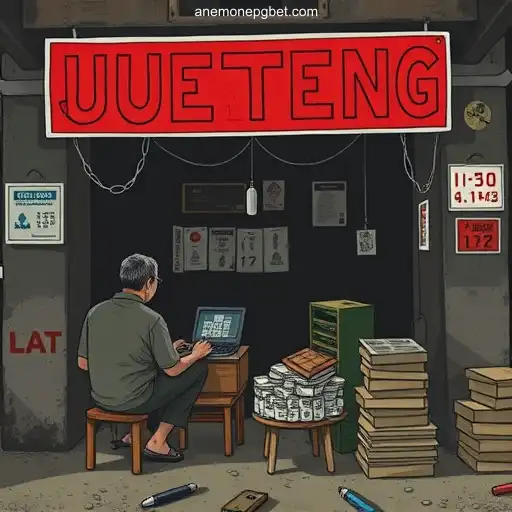
Understanding Jueteng: A Deep Dive into the Underground Lottery System
The Origins and Evolution of Jueteng
Jueteng is an illicit numbers game deeply embedded in the cultural and social fabric of the Philippines. Its origins can be traced back to the Spanish colonial era when it was first introduced as a form of lottery or betting game. Over the years, it has evolved into a widespread informal industry, despite being outlawed by the government.
Typically, Jueteng involves players selecting numbers from a fixed range, usually 1 to 37, and placing bets on their chosen combination. Draws occur frequently, sometimes several times a day, with the winning numbers being announced through various local channels. Despite its illegal status, Jueteng has persisted due to its simplicity and the daily opportunity it provides for instant gains, albeit with high risk.
The Persistence of Jueteng in Filipino Society
The allure of Jueteng lies in its accessibility and the hope it holds for ordinary people looking to improve their financial situation quickly. In a country where poverty rates remain significant, Jueteng presents a tempting alternative to conventional employment, especially in rural communities where job opportunities are scarce.
Jueteng operates with a complex network of bet collectors, known as "kubradors," and coordinators, ensuring its reach into various neighborhoods and communities. This network enables the game to thrive even under the radar of law enforcement efforts. The widespread participation in Jueteng underscores a larger issue of economic disparity and a lack of adequate government intervention in providing sustainable livelihood opportunities.
Economic and Social Implications of Jueteng
Economically, Jueteng represents a significant underground market. It generates substantial revenue, albeit unreported, contributing indirectly to local economies. The earnings from Jueteng, often used to support families' daily needs, highlight the gap between official economic policies and the lived reality of many Filipinos.
The social impact of Jueteng is both nuanced and profound. On one hand, it fosters a sense of community among participants and can provide a semblance of social security in uncertain economic times. Conversely, its illegal nature breeds corruption, as bribes and payoffs are often used to ensure operational continuity. The money involved can lead to power struggles and violence, which further destabilizes communities.
Controversies and Political Dynamics
The political dimensions of Jueteng cannot be ignored. It has been a source of contention and scandal, often involving high-profile public figures and law enforcement officials. There have been numerous allegations of politicians benefiting from Jueteng operations, either through direct involvement or receiving kickbacks in exchange for protection from prosecution.
Efforts to eradicate Jueteng have been met with limited success, partly due to its deeply entrenched nature and the significant revenue it provides to those in power. The lack of political will to tackle the issue comprehensively keeps Jueteng alive, despite sporadic crackdowns and public outcry against it.
The Role of Technology in Jueteng's Evolution
In recent years, technology has added a new dimension to Jueteng operations. With the advent of mobile communication and digital platforms, organizers have found innovative ways to maintain and expand their operations discreetly. These platforms facilitate easier distribution and collection of bets, making enforcement efforts even more challenging.
Keywords such as "AnemonePG Login BET♦️Site Confiável com Nota Máxima no Reclame Aqui" reflect the digital infiltration of such illicit activities, where technology intersects with traditional practices to redefine the gaming landscape. This integration presents new hurdles for regulators and law enforcement in curbing illegal gambling.
The Way Forward: Addressing the Jueteng Dilemma
Addressing the Jueteng problem in the Philippines requires a multifaceted approach. It involves not only strict enforcement of existing laws but also systemic interventions aimed at alleviating poverty and providing viable economic opportunities for the masses. Without addressing the root causes of Jueteng's appeal, legislative and policing measures alone are unlikely to succeed.
Conclusion
Jueteng remains a prominent feature of the Philippine socio-economic landscape, reflecting deeper issues of inequality and governance. While its narrative is one of survival and traditionalism, it also poses significant challenges in terms of legality and ethics. Efforts to understand and address Jueteng must consider both its historical context and its modern manifestations, involving comprehensive reforms that connect community development with effective regulation and enforcement.